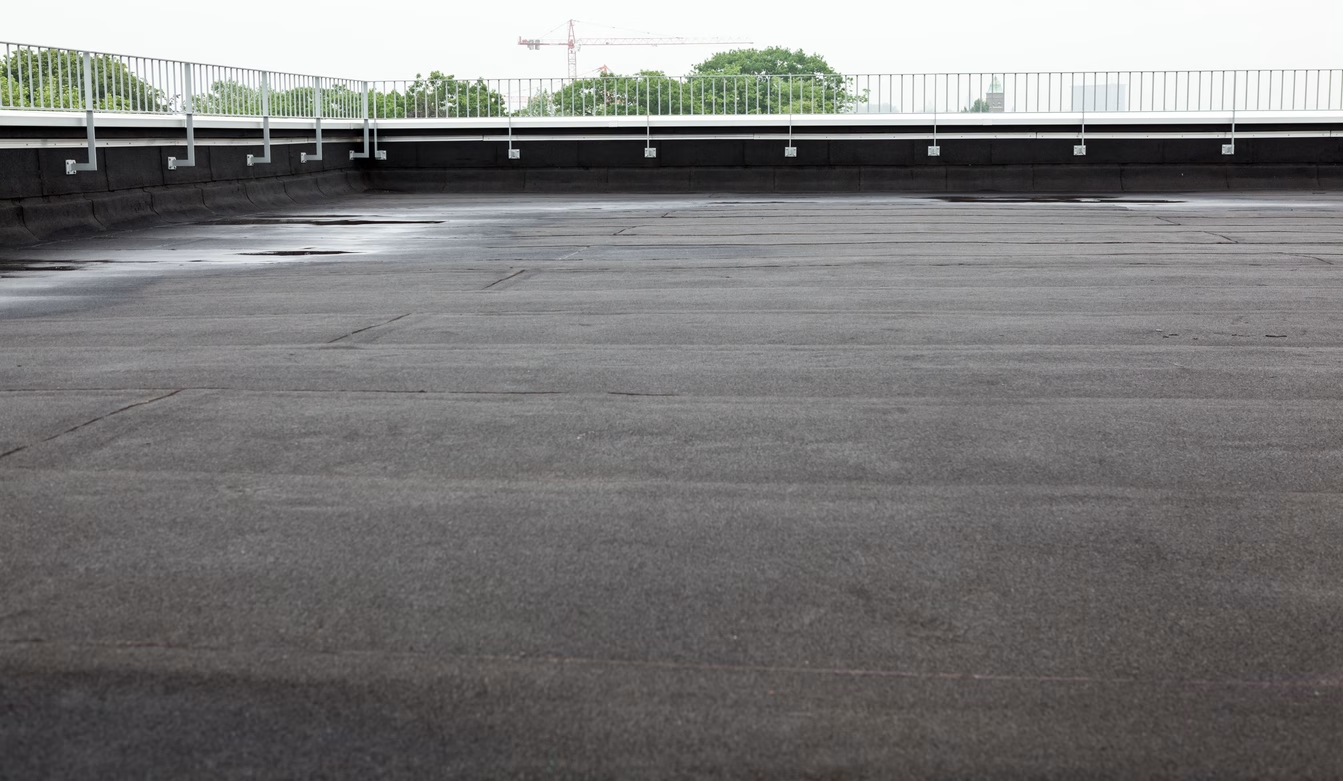
Built-up roofing (BUR) is a popular choice for industrial and commercial buildings due to its durability and effectiveness. This roofing system has been in use for over a century, offering reliable protection against the elements. BUR is known for its layered structure, which provides excellent waterproofing and resilience. This guide will explore the fundamentals of built-up roofing, including its definition, the materials used, and the benefits it offers for industrial settings.
What is Built-Up Roofing?
Built-up roofing is a type of roofing system that consists of multiple layers of materials. These layers are alternated between bitumen (a sticky, tar-like substance) and reinforcing fabrics to create a robust, waterproof barrier. The layers are typically applied in a hot or cold process, ensuring a durable finish. The result is a thick, resilient roofing membrane that can withstand harsh weather conditions and heavy foot traffic, making it ideal for industrial and commercial buildings.
Materials Used in Built-Up Roofing
Bitumen
The primary component of BUR is bitumen, which acts as the adhesive and waterproofing agent. Bitumen can be applied hot or cold, depending on the specific requirements of the project. Asphalt, a type of bitumen, is commonly used due to its strong adhesive properties and ability to form a waterproof seal.
Ply Sheets and Fabrics
Ply sheets, also known as roofing felts, are essential in the construction of built-up roofs. These sheets are typically made from materials like fibreglass or organic fibres, which provide strength and flexibility. The ply sheets are layered with bitumen to create a multi-layered system that improves the roof’s durability and resistance to damage.
Surface Layers: Gravel, Mineral Granules, and More
The final layer of a built-up roof often includes a surface material that provides additional protection, insulation and aesthetic appeal. Common surface materials include gravel, mineral granules, or a reflective coating. Gravel and mineral granules help protect the underlying layers from UV radiation, mechanical damage, and fire hazards. Reflective coatings can also improve energy efficiency by reducing heat absorption.
Why So Many Layers?
The multi-layered structure of built-up roofing (BUR) is a key factor in its exceptional durability and performance. Each layer in a BUR system serves a specific purpose, contributing to the overall strength and effectiveness of the roof. The primary layers typically include alternating layers of bitumen and reinforcing fabrics, such as fibreglass or organic ply sheets. This layered approach ensures redundancy, meaning that if one layer is compromised, the remaining layers continue to provide protection. This redundancy is crucial in industrial and commercial settings, where roofs are exposed to harsh weather conditions, heavy foot traffic, and potential mechanical damage.
In addition to providing protection, the multiple layers in a BUR system also offer superior waterproofing capabilities. The bitumen layers act as an adhesive and waterproof barrier, while the reinforcing fabrics add structural integrity and resistance to tearing. The top layer, often composed of gravel or mineral granules, further protects the underlying layers from UV radiation, fire, and physical damage. This combination of materials and layers creates a robust roofing system that can withstand the test of time, ensuring long-term performance and reliability.
Built-Up Roofing vs. Metal and Single-Ply Roofing
Choosing the right roofing system involves comparing different options. Here’s how built-up roofing stacks up against metal and single-ply roofing:
Built-Up Roofing vs. Metal Roofing
Durability: Both BUR and metal roofing are known for their durability. However, BUR offers better protection against water infiltration due to its multiple layers.
Maintenance: Metal roofs require regular maintenance to prevent rust and corrosion, especially in wet climates like here in the North of England. BUR requires less frequent maintenance, mainly involving inspections and minor repairs.
Cost: Metal roofing can have a higher upfront cost than BUR. However, both options offer long-term cost savings through their longevity and durability.
Built-Up Roofing vs. Single-Ply Roofing
Durability: BUR generally offers greater durability and resistance to punctures compared to single-ply systems, which can be more susceptible to damage from foot traffic and debris.
Waterproofing: The multiple layers of BUR provide superior waterproofing compared to the single membrane of single-ply roofing. This makes BUR more reliable in preventing leaks.
Installation: Single-ply roofing is quicker and easier to install, which can reduce labour costs. BUR installation is more complex and time-consuming, but the resulting durability and protection often justify the effort when installed by professional roofers.
Ideal Applications for Built-Up Roofing
Built-up roofing is versatile and suitable for various types of buildings. Here are some of the situations where our team install BUR:
Industrial Settings
BUR is perfect for industrial building roofing, which often require roofs that can handle heavy equipment and foot traffic. Its durability and waterproofing make it ideal for factories, warehouses, and manufacturing plants.
Commercial Buildings
BUR’s reliability and low maintenance benefit commercial roofing for shopping centres, office buildings, and retail stores. The added fire resistance and energy efficiency features also contribute to a safer and more cost-effective environment.
Secure Your Property with Built-Up Roofing
Built-up roofing (BUR) remains a reliable and robust option for industrial and commercial buildings, offering unparalleled durability, waterproofing, and fire resistance. Its multi-layered construction ensures a long-lasting roof that can withstand the demands of heavy foot traffic and harsh weather conditions.
While the initial installation may require more time and investment, the long-term benefits and cost savings make BUR a wise choice for many property owners. By understanding the advantages, business owners can make informed decisions and maintain a sturdy, effective roofing system for years to come. Investing in a built-up roof means investing in the future stability and protection of your property. Call Northern Roofing and Cladding today and book your free quote!